The HIFA Voices database will bring together the experiential knowledge of HIFA members: more than 12,000 professionals from over 2500 organisations in 170 countries, ranging from senior executives at the World Health Organization in Geneva to community health workers in rural Gambia. Our common vision is a world where every person and every health professional has access to the information they need to protect their own health and the health of those for whom they are responsible. HIFA Voices will be launched on 12 August 2014.
HIFA Voices harnesses the practical expertise of providers and users of healthcare information, together with relevant health information sciences literature. This helps us to understand the healthcare information needs of different users in different contexts and how these needs can be more effectively addressed. Further information about HIFA Voices.
Read the blog about HIFA Voices on the ElsevierConnect website, and the press release from mPowering Frontline Health Workers and Intel Corporation.
We are currently seeking further financial and technical support to enable us to develop HIFA Voices through 2015 and beyond. Please contact us for details.
My source: HIFA2015 list.
Showing posts with label WHO. Show all posts
Showing posts with label WHO. Show all posts
Saturday, 9 August 2014

Monday, 7 April 2014

Friday, 28 March 2014
Five Fever Tales: Fact-based dramas about malaria, one of the oldest human diseases
The following radio broadcasts may be of interest:
Five Fever Tales by Lavinia Greenlaw
http://www.bbc.co.uk/programmes/b03yzlhk
These brief plays are very interesting as they present history in a docu-drama approach. The science behind the discovery of what the 'fever' was/is and the challenge for those who first saw new 'living' things through the microscope and then convincing the scientific establishment is quite fascinating.
The economic incentives to solving the 'fever' are also salutary and give pause for thought in considering global health today (and tomorrow - global warning) as is recognition of resistance and current genetic research programmes.
I believe these programmes are freely accessible worldwide, for a limited time period.
Five Fever Tales by Lavinia Greenlaw
http://www.bbc.co.uk/programmes/b03yzlhk
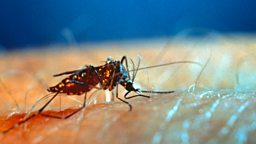 |
| Five Fever Tales by Lavinia Greenlaw |
These brief plays are very interesting as they present history in a docu-drama approach. The science behind the discovery of what the 'fever' was/is and the challenge for those who first saw new 'living' things through the microscope and then convincing the scientific establishment is quite fascinating.
The economic incentives to solving the 'fever' are also salutary and give pause for thought in considering global health today (and tomorrow - global warning) as is recognition of resistance and current genetic research programmes.
I believe these programmes are freely accessible worldwide, for a limited time period.
Saturday, 16 November 2013
[hifa2015] How can we stop ICANN decision that could profoundly damage global health?
Dear HIFA colleagues,
A few weeks ago I posted the Lancet article below, which highlights the threat of a commercial sale of the new top-level domain ".health".
The authors point out that ICANN (Internet Corporation for Assigned Names and Numbers), which controls all internet naming, could be about to make a decision to sell ".health" to the highest commercial bidder. The decision is imminent. I have indeed heard that an ICANN meeting that will include discussion of ".health" is being held over the *next few days*.
As the authors of the Lancet article point out, sale of ".health" to a commercial enterprise "could have a profound effect on health information access and quality for generations to come". This is something that should concern all of us, everywhere.
ICANN hosts a wiki which apparently can only be edited by them and which briefly describes the issue in rather difficult-to-follow language, without actually explaining the nature of the objections that have been raised by leading health organisations, including WHO, and by national governments:
http://icannwiki.com/index.php/.health
These objections may be found elsewhere by googling. Essentially, there is a *great* deal of concern among health agencies worldwide, and a small handful of governments, of the public health consequences of commercialising ".health". In particular, there will be little if any assurance that the content of websites carrying the ".health" domain name will contain reliable health information. There is a serious risk that misinformation and/or commercially biased information could be propagated using the ".health" suffix. It is likely that many citizens worldwide will see the ".health" suffix as an indication that the information is primarily intended for their health, whereas the reality would be that much of the information would inevitably be wholly unreliable, and driven by commercial (or even ideological) motives.
I was especially concerned to read the latest news on this wiki, which read as follows: "The IO [Independent Objector - see below] lost its objection to Afilias' applicant for .health in a ICC determination by 3 panelists made on 6 November 2013. The determination was the first Limited Public Interest Objection to be decided, as well as the first objection filed by the IO to be decided. [19]
I am not entirely clear how the proceedings work, but the wiki tells us that "[ICANN's Independent Objector] is an appointed authority on international law whose role is to object to strings on the grounds of Community harm and Limited Public Interest were detailed in the applicant guidebook. His objections are official objections and are funded by ICANN, though his office is otherwise independent. Reasons for the specific case against .health were not initially given, but, in the case of Limited Public Interest, "the applied-for gTLD string must be contrary to generally accepted legal norms of morality and public order that are recognized under fundamental principles of international law. The expert panel appointed by the ICC will base its decision on the existence of such a contradiction." The applied for string must threaten an incitement to violence of lawless action, discrimination, child pornography, or "be contrary to specific principles of international law as reflected in relevant international instruments of law.""
This reference to "violence of lawless action, discrimination, child pornography..." is bizarre and I cannot claim to understand how this is relevant. What is at issue here is the availability of reliable versus unreliable healthcare information. I hope that others on HIFA may be able to enlighten us further.
Regrettably, there has been an almost total absence of advocacy and awareness-raising about the issue, apart from The Lancet article. Other than the authors of the Lancet article, there is no advocacy leadership of which I am aware. This is the kind of issue that needs a prominent global health leader to speak out. I do not know whether Margaret Chan, Director-General of WHO, is free to speak out on this, but I feel that we need a strong statement from someone at the highest level.
In the meantime, what can we (HIFA members) do to stop ICANN making - or at least deferring - a decision that could profoundly damage global health?
Best wishes,
Neil
HIFA profile: Neil Pakenham-Walsh is the coordinator of the HIFA2015 campaign and co-director of the Global Healthcare Information Network. ...
[ As mentioned above Neil also posted the Lancet article - I have just copied the link below ]
Below is the citation and extracts of a new article in The Lancet. The full text is freely available here:
http://www.thelancet.com/journals/lancet/article/PIIS0140-6736(13)62215-1/fulltext
Ensuring the future of health information online
Tim K Mackey, Bryan A Liang, Amir Attaran, Jillian C Kohler
The Lancet, Volume 382, Issue 9902, Page 1404, 26 October 2013
doi:10.1016/S0140-6736(13)62215-1Cite or Link Using DOI
A few weeks ago I posted the Lancet article below, which highlights the threat of a commercial sale of the new top-level domain ".health".
The authors point out that ICANN (Internet Corporation for Assigned Names and Numbers), which controls all internet naming, could be about to make a decision to sell ".health" to the highest commercial bidder. The decision is imminent. I have indeed heard that an ICANN meeting that will include discussion of ".health" is being held over the *next few days*.
As the authors of the Lancet article point out, sale of ".health" to a commercial enterprise "could have a profound effect on health information access and quality for generations to come". This is something that should concern all of us, everywhere.
ICANN hosts a wiki which apparently can only be edited by them and which briefly describes the issue in rather difficult-to-follow language, without actually explaining the nature of the objections that have been raised by leading health organisations, including WHO, and by national governments:
http://icannwiki.com/index.php/.health
These objections may be found elsewhere by googling. Essentially, there is a *great* deal of concern among health agencies worldwide, and a small handful of governments, of the public health consequences of commercialising ".health". In particular, there will be little if any assurance that the content of websites carrying the ".health" domain name will contain reliable health information. There is a serious risk that misinformation and/or commercially biased information could be propagated using the ".health" suffix. It is likely that many citizens worldwide will see the ".health" suffix as an indication that the information is primarily intended for their health, whereas the reality would be that much of the information would inevitably be wholly unreliable, and driven by commercial (or even ideological) motives.
I was especially concerned to read the latest news on this wiki, which read as follows: "The IO [Independent Objector - see below] lost its objection to Afilias' applicant for .health in a ICC determination by 3 panelists made on 6 November 2013. The determination was the first Limited Public Interest Objection to be decided, as well as the first objection filed by the IO to be decided. [19]
I am not entirely clear how the proceedings work, but the wiki tells us that "[ICANN's Independent Objector] is an appointed authority on international law whose role is to object to strings on the grounds of Community harm and Limited Public Interest were detailed in the applicant guidebook. His objections are official objections and are funded by ICANN, though his office is otherwise independent. Reasons for the specific case against .health were not initially given, but, in the case of Limited Public Interest, "the applied-for gTLD string must be contrary to generally accepted legal norms of morality and public order that are recognized under fundamental principles of international law. The expert panel appointed by the ICC will base its decision on the existence of such a contradiction." The applied for string must threaten an incitement to violence of lawless action, discrimination, child pornography, or "be contrary to specific principles of international law as reflected in relevant international instruments of law.""
This reference to "violence of lawless action, discrimination, child pornography..." is bizarre and I cannot claim to understand how this is relevant. What is at issue here is the availability of reliable versus unreliable healthcare information. I hope that others on HIFA may be able to enlighten us further.
Regrettably, there has been an almost total absence of advocacy and awareness-raising about the issue, apart from The Lancet article. Other than the authors of the Lancet article, there is no advocacy leadership of which I am aware. This is the kind of issue that needs a prominent global health leader to speak out. I do not know whether Margaret Chan, Director-General of WHO, is free to speak out on this, but I feel that we need a strong statement from someone at the highest level.
In the meantime, what can we (HIFA members) do to stop ICANN making - or at least deferring - a decision that could profoundly damage global health?
Best wishes,
Neil
HIFA profile: Neil Pakenham-Walsh is the coordinator of the HIFA2015 campaign and co-director of the Global Healthcare Information Network. ...
[ As mentioned above Neil also posted the Lancet article - I have just copied the link below ]
Below is the citation and extracts of a new article in The Lancet. The full text is freely available here:
http://www.thelancet.com/journals/lancet/article/PIIS0140-6736(13)62215-1/fulltext
Ensuring the future of health information online
Tim K Mackey, Bryan A Liang, Amir Attaran, Jillian C Kohler
The Lancet, Volume 382, Issue 9902, Page 1404, 26 October 2013
doi:10.1016/S0140-6736(13)62215-1Cite or Link Using DOI
Thursday, 10 January 2013
Call - 2nd Compendium of innovative health technologies: medical devices and eHealth solutions 2013
Call for theSecond Compendium of innovative health technologies:
medical devices and eHealth solutions 2013
Health - World Health Organization WHO
Call PDF file at: http://bit.ly/ZHF2Yo
eHealth Submission form: http://bit.ly/VSZxeh
Medical Device submission form: http://bit.ly/10fk0lh
The previous compendium 2012 can be found at: http://bit.ly/11g8YLG
The deadline for submission is 15 March 2013 Medical devices and eHealth solutions have the potential to improve lives. However, too many people worldwide suffer because they don’t have access to the appropriate health technologies. This call highlights the importance of these innovative technologies towards improved health outcomes and the quality of life. WHO aims to raise awareness of the pressing need for appropriate design solutions.
The Compendium series was initiated to encourage a dialogue between stakeholders and stimulate further development and technology dissemination.
For the purpose of this call, the term ‘health technologies’ refers to medical devices and eHealth solutions.
In this context, ‘medical devices’ cover medical equipment and instruments, in vitro diagnostics and imaging devices as well as assistive devices and related health technologies excluding clinical procedures, medicinal products, vaccines, biological therapeutic products, or tissue-engineered medical products. 'eHealth solutions' refer to the use of information and communication technologies including electronic and communication devices and applications (such as telemedicine; mobile applications for surveillance, telehealth, diagnostics, appointment reminders; etc.) in support of health systems and services. All eHealth applications should conform to the existing standards.
Innovative health technologies in this context include:
- New products or applications;
- Products or applications which have been commercialized for less than 5 years in high-resource settings but have not yet been widely used in low- and middle-resource settings;
- Non-health products or applications that have recently been adapted for a health purpose;
- Products available in low-resource settings for less than 5 years but not yet widely used.
Contributors to the previous compendium series whose technology advanced from ‘under development’ status to launched product are encouraged to submit their updated entry.
Eligibility
The ‘Call for innovative health technologies: medical devices and eHealth solutions for low-resource settings 2013’ is open to manufacturers, institutions, academia, individuals and non-profit organizations that design, manufacture and/or supply any type of innovative health technologies that are suitable for use in low-resource settings and address the global health concerns as outlined in section 4 at: http://bit.ly/ZHF2Yo
Health problems to be addressed
The Call for innovative health technologies for low-resource settings 2013 puts a specific focus on the following technologies:
1. Medical device (including telemedicine solutions) that address one of the following key global health concerns:
- Birth asphyxia and birth trauma
- Cancer
- Cataracts
- Chronic obstructive pulmonary disease
- Diabetes mellitus
- Diarrheal diseases
- Hearing loss
- Ischemic heart disease
- Lower respiratory infections
- Maternal health - Neonatal infections
- Pneumonia
- Prematurity and low birth weight
- Refractive errors
- Vascular diseases
2. eHealth solutions may support one of the following areas:
- Decision support systems
- Diagnostic and treatment support
- Electronic health/electronic medical record
- Emergency/humanitarian relief
- Geographic information system
- Healthcare management
- Health workforce training
- Heath information systems
- Health education
- Health surveys
- Management of patient information
- Management of hospital information
- Management of emergencies
- Patient monitoring
- Public health surveillance
- Telehealth/telemedicine
- Treatment compliance
Selection of technologies
All submissions undergo an evaluation process; technologies will be assessed by an expert panel based on the material and evidence provided by the applicant as well as publicly available information. Note that inclusion in the Compendium does not constitute a warranty for fitness of the technology for a particular purpose nor endorsement of the product by WHO. Entries must demonstrate the technology’s suitability for use in low-resource settings.
Technologies are then selected for inclusion in the Compendium if they meet at least one of the criteria below:
Twitter http://twitter.com/eqpaho
* * *
This message from the Pan American Health Organization, PAHO/WHO, is part of an effort to disseminate information Related to: Equity; Health inequality; Socioeconomic inequality in health; Socioeconomic health differentials; Gender; Violence; Poverty; Health Economics; Health Legislation; Ethnicity; Ethics; Information Technology - Virtual libraries; Research & Science issues. [DD/ KMC Area]
Washington DC USA “Materials provided in this electronic list are provided "as is". Unless expressly stated otherwise, the findings and interpretations included in the Materials are those of the authors and not necessarily of The Pan American Health Organization PAHO/WHO or its country members”.
PAHO/WHO WebsiteEquity List - Archives - Join/remove: http://listserv.paho.org/Archives/equidad.html Twitter http://twitter.com/eqpaho
medical devices and eHealth solutions 2013
Health - World Health Organization WHO
Call PDF file at: http://bit.ly/ZHF2Yo
eHealth Submission form: http://bit.ly/VSZxeh
Medical Device submission form: http://bit.ly/10fk0lh
The previous compendium 2012 can be found at: http://bit.ly/11g8YLG
The deadline for submission is 15 March 2013 Medical devices and eHealth solutions have the potential to improve lives. However, too many people worldwide suffer because they don’t have access to the appropriate health technologies. This call highlights the importance of these innovative technologies towards improved health outcomes and the quality of life. WHO aims to raise awareness of the pressing need for appropriate design solutions.
The Compendium series was initiated to encourage a dialogue between stakeholders and stimulate further development and technology dissemination.
For the purpose of this call, the term ‘health technologies’ refers to medical devices and eHealth solutions.
In this context, ‘medical devices’ cover medical equipment and instruments, in vitro diagnostics and imaging devices as well as assistive devices and related health technologies excluding clinical procedures, medicinal products, vaccines, biological therapeutic products, or tissue-engineered medical products. 'eHealth solutions' refer to the use of information and communication technologies including electronic and communication devices and applications (such as telemedicine; mobile applications for surveillance, telehealth, diagnostics, appointment reminders; etc.) in support of health systems and services. All eHealth applications should conform to the existing standards.
Innovative health technologies in this context include:
- New products or applications;
- Products or applications which have been commercialized for less than 5 years in high-resource settings but have not yet been widely used in low- and middle-resource settings;
- Non-health products or applications that have recently been adapted for a health purpose;
- Products available in low-resource settings for less than 5 years but not yet widely used.
Contributors to the previous compendium series whose technology advanced from ‘under development’ status to launched product are encouraged to submit their updated entry.
Eligibility
The ‘Call for innovative health technologies: medical devices and eHealth solutions for low-resource settings 2013’ is open to manufacturers, institutions, academia, individuals and non-profit organizations that design, manufacture and/or supply any type of innovative health technologies that are suitable for use in low-resource settings and address the global health concerns as outlined in section 4 at: http://bit.ly/ZHF2Yo
Health problems to be addressed
The Call for innovative health technologies for low-resource settings 2013 puts a specific focus on the following technologies:
1. Medical device (including telemedicine solutions) that address one of the following key global health concerns:
- Birth asphyxia and birth trauma
- Cancer
- Cataracts
- Chronic obstructive pulmonary disease
- Diabetes mellitus
- Diarrheal diseases
- Hearing loss
- Ischemic heart disease
- Lower respiratory infections
- Maternal health - Neonatal infections
- Pneumonia
- Prematurity and low birth weight
- Refractive errors
- Vascular diseases
2. eHealth solutions may support one of the following areas:
- Decision support systems
- Diagnostic and treatment support
- Electronic health/electronic medical record
- Emergency/humanitarian relief
- Geographic information system
- Healthcare management
- Health workforce training
- Heath information systems
- Health education
- Health surveys
- Management of patient information
- Management of hospital information
- Management of emergencies
- Patient monitoring
- Public health surveillance
- Telehealth/telemedicine
- Treatment compliance
Selection of technologies
All submissions undergo an evaluation process; technologies will be assessed by an expert panel based on the material and evidence provided by the applicant as well as publicly available information. Note that inclusion in the Compendium does not constitute a warranty for fitness of the technology for a particular purpose nor endorsement of the product by WHO. Entries must demonstrate the technology’s suitability for use in low-resource settings.
Technologies are then selected for inclusion in the Compendium if they meet at least one of the criteria below:
- The technology or the practice is better suited to address a health problem than existing solutions available or improves current health systems and services. Examples of improvements over existing technologies may include superior effectiveness; enhanced ease of use and maintenance; reduced training requirements; labor saving; improved safety level for user, patient, and/or environment; increased social and cultural acceptability; technical superiority; improved accessibility, better cost-effectiveness and affordability; reduced energy requirements.
- The technology provides an appropriate solution to a health problem not yet addressed by any other technology.
Twitter http://twitter.com/eqpaho
* * *
This message from the Pan American Health Organization, PAHO/WHO, is part of an effort to disseminate information Related to: Equity; Health inequality; Socioeconomic inequality in health; Socioeconomic health differentials; Gender; Violence; Poverty; Health Economics; Health Legislation; Ethnicity; Ethics; Information Technology - Virtual libraries; Research & Science issues. [DD/ KMC Area]
Washington DC USA “Materials provided in this electronic list are provided "as is". Unless expressly stated otherwise, the findings and interpretations included in the Materials are those of the authors and not necessarily of The Pan American Health Organization PAHO/WHO or its country members”.
PAHO/WHO WebsiteEquity List - Archives - Join/remove: http://listserv.paho.org/Archives/equidad.html Twitter http://twitter.com/eqpaho
Saturday, 5 January 2013
c/o HIFA2015 - Meeting Information needs for Mental Health Care
Dear all.
I've been reading the messages about mental health and information needs in low resource settings. I agree that it's still such a disappointment that certain publishers refuse to make these core documents / books (like Where there is no Psychiatrist and Where there is no Child Psychiatrist) open access. Hope 2013 will bring changes......
I know a few free online/download alternatives for the mental health field:
In the Hesperian.org bookstore you find free downloads of a couple of health care guides in different languages including 'Where Women have No Doctor'. This book contains a brief mental health care chapter. Other helpful Hesperian books like 'Disabled Village Children', and the 'famous one' 'Where there is no Doctor'.
Link: http://hesperian.org/books-and-resources
Another is the WHO 'mhGAP Intervention Guide for mental, neurological and substance use disorders in non-specialized health settings'. Free download in English, French and Spanish. This is a 109 pages decision tree manual for depression, psychosis, bipolar disorders, epilepsy, developmental and behavioural disorders in children and adolescents, dementia, alcohol use disorders, drug use disorders, self-harm/suicide and other significant emotional or medically unexplained complaints. It contains also a chapter on 'general principles of care' and a brief chapter on 'advanced psychological interventions'.
Link: http://www.who.int/mental_health/publications/mhGAP_intervention_guide/en/index.html
The international NGO Basic Needs offers downloads of manuals and reports like 'Community Mental Health Practice, Seven Essential Features for Scaling Up in Low and Middle Income Countries', 'Essential Skills for mental health care', 'Mental Health Care, An Introductory Manual for Training General Health Personnel' amongst others.
Link for books: http://www.basicneeds.org/html/Publications_BasicNeeds_Books.htm
Link for manuals: http://www.basicneeds.org/html/Publications_BasicNeeds_Manuals.htm
For mental health and psychosocial support in humanitarian settings the WHO/World Vision/War Trauma Foundation publication is very helpful: 'Psychological First Aid: Guide for field workers', 60 pages and lots of illustrations.
Link for the PDF:
http://whqlibdoc.who.int/publications/2011/9789241548205_eng.pdf
Or the WHO/IASC 'Guidelines for Mental Health and Psychosocial Support in Emergency Settings', 205 pages and free downloads available in 7 languages. The manual is distributed on CDrom as well.
Link: http://www.who.int/mental_health/emergencies/9781424334445/en/index.html
For psychosocial support of children the NGO HealthNetTPO offers free downloads of their 'Psychosocial Care Package Children' with Modules, Tools and Publications sections. It contains information that describes the rationale, content and step-by-step implementation of the separate components of a comprehensive psychosocial care package (such as a Classroom Based Intervention, Counseling, Clinical Supervision, Screening and Psycho-education).
Link: http://www.healthnettpo.org/en/1311/psychosocial-care-package-children.html
In the field of psychosocial support for children and adults after emergencies or in HIV projects, the IFRC Psychosocial Centre offers free downloads of their manual like 'Psychosocial interventions - A
handbook', 'Community-based psychosocial support - A training kit', 'Children's Resilience Programme' and more.
Link: http://psp.drk.dk/sw40688.asp
This is where I stumbled on in the last few years. Hope it is helpful. Maybe I should write a blog post about it on the in2mentalhealth website, in order to make a comprehensive list which is available on
the internet for a longer period of time. So, if you have any additions please reply in this discussion or mail me with the link!
'Together we know more'.
Roos Korste
psychologist, trainer, blogger and founder of in2mentalhealth:
http://in2mentalhealth.wordpress.com
http://facebook.com/in2mentalhealth
http://twitter.com/in2mh
http://www.linkedin.com/in/rooskorste
Plus:
Thanks for the comprehensive list Roos. Handicap International developed a Policy Paper on : "Mental health in post-crisis and development contexts" which can be found here [PDF, 1.1Mb]:
http://www.handicap-international.us/fileadmin/files/documents/PP03_Mental_health_01.pdf
Do feel free to add this to your list of materials. [ *see note below ]
Kind regards
Antony
Antony Duttine
Rehabilitation Technical Advisor in Global Health
[ *Note from HIFA2015 moderator: Neil Pakenham-Walsh
I would also like to mention the Essential Health Links (EHL) gateway. EHL was set up by myself and Lenny Rhine while I was working at INASP in the late 90s and early 00s. It is now hosted by AED Satellife and Lenny continues to maintain it on a voluntary basis. The Mental Health and Psychiatry section is available here:
http://www.healthnet.org/essential-links/mental-health-and-psychiatry
Essential Health Links has more than 750 websites selected according to criteria such as appropriateness for low-resource settings and free access. "Essential Health Links is offered freely for use as a template by others (e.g. medical school libraries, ministries of health, publishers, libraries, NGOs) to develop customised gateways on their own websites. This approach should reduce the risk of duplication of effort while maximising the usefulness of the gateway for specific target groups."
With thanks, Neil PW ]
I've been reading the messages about mental health and information needs in low resource settings. I agree that it's still such a disappointment that certain publishers refuse to make these core documents / books (like Where there is no Psychiatrist and Where there is no Child Psychiatrist) open access. Hope 2013 will bring changes......
I know a few free online/download alternatives for the mental health field:
In the Hesperian.org bookstore you find free downloads of a couple of health care guides in different languages including 'Where Women have No Doctor'. This book contains a brief mental health care chapter. Other helpful Hesperian books like 'Disabled Village Children', and the 'famous one' 'Where there is no Doctor'.
Link: http://hesperian.org/books-and-resources
Another is the WHO 'mhGAP Intervention Guide for mental, neurological and substance use disorders in non-specialized health settings'. Free download in English, French and Spanish. This is a 109 pages decision tree manual for depression, psychosis, bipolar disorders, epilepsy, developmental and behavioural disorders in children and adolescents, dementia, alcohol use disorders, drug use disorders, self-harm/suicide and other significant emotional or medically unexplained complaints. It contains also a chapter on 'general principles of care' and a brief chapter on 'advanced psychological interventions'.
Link: http://www.who.int/mental_health/publications/mhGAP_intervention_guide/en/index.html
The international NGO Basic Needs offers downloads of manuals and reports like 'Community Mental Health Practice, Seven Essential Features for Scaling Up in Low and Middle Income Countries', 'Essential Skills for mental health care', 'Mental Health Care, An Introductory Manual for Training General Health Personnel' amongst others.
Link for books: http://www.basicneeds.org/html/Publications_BasicNeeds_Books.htm
Link for manuals: http://www.basicneeds.org/html/Publications_BasicNeeds_Manuals.htm
For mental health and psychosocial support in humanitarian settings the WHO/World Vision/War Trauma Foundation publication is very helpful: 'Psychological First Aid: Guide for field workers', 60 pages and lots of illustrations.
Link for the PDF:
http://whqlibdoc.who.int/publications/2011/9789241548205_eng.pdf
Or the WHO/IASC 'Guidelines for Mental Health and Psychosocial Support in Emergency Settings', 205 pages and free downloads available in 7 languages. The manual is distributed on CDrom as well.
Link: http://www.who.int/mental_health/emergencies/9781424334445/en/index.html
For psychosocial support of children the NGO HealthNetTPO offers free downloads of their 'Psychosocial Care Package Children' with Modules, Tools and Publications sections. It contains information that describes the rationale, content and step-by-step implementation of the separate components of a comprehensive psychosocial care package (such as a Classroom Based Intervention, Counseling, Clinical Supervision, Screening and Psycho-education).
Link: http://www.healthnettpo.org/en/1311/psychosocial-care-package-children.html
In the field of psychosocial support for children and adults after emergencies or in HIV projects, the IFRC Psychosocial Centre offers free downloads of their manual like 'Psychosocial interventions - A
handbook', 'Community-based psychosocial support - A training kit', 'Children's Resilience Programme' and more.
Link: http://psp.drk.dk/sw40688.asp
This is where I stumbled on in the last few years. Hope it is helpful. Maybe I should write a blog post about it on the in2mentalhealth website, in order to make a comprehensive list which is available on
the internet for a longer period of time. So, if you have any additions please reply in this discussion or mail me with the link!
'Together we know more'.
Roos Korste
psychologist, trainer, blogger and founder of in2mentalhealth:
http://in2mentalhealth.wordpress.com
http://facebook.com/in2mentalhealth
http://twitter.com/in2mh
http://www.linkedin.com/in/rooskorste
Plus:
Thanks for the comprehensive list Roos. Handicap International developed a Policy Paper on : "Mental health in post-crisis and development contexts" which can be found here [PDF, 1.1Mb]:
http://www.handicap-international.us/fileadmin/files/documents/PP03_Mental_health_01.pdf
Do feel free to add this to your list of materials. [ *see note below ]
Kind regards
Antony
Antony Duttine
Rehabilitation Technical Advisor in Global Health
[ *Note from HIFA2015 moderator: Neil Pakenham-Walsh
I would also like to mention the Essential Health Links (EHL) gateway. EHL was set up by myself and Lenny Rhine while I was working at INASP in the late 90s and early 00s. It is now hosted by AED Satellife and Lenny continues to maintain it on a voluntary basis. The Mental Health and Psychiatry section is available here:
http://www.healthnet.org/essential-links/mental-health-and-psychiatry
Essential Health Links has more than 750 websites selected according to criteria such as appropriateness for low-resource settings and free access. "Essential Health Links is offered freely for use as a template by others (e.g. medical school libraries, ministries of health, publishers, libraries, NGOs) to develop customised gateways on their own websites. This approach should reduce the risk of duplication of effort while maximising the usefulness of the gateway for specific target groups."
With thanks, Neil PW ]
Wednesday, 10 October 2012
World Mental Health Day & Hodges' model
Today is World Mental Health Day. Here are some mental health related concepts mapped to Hodges' model that I have encountered over the past few weeks (I could list many more of course).
See also: Hodges' model - indicative content
INTERPERSONAL : SCIENCES
SOCIOLOGY : POLITICAL
| depression, suicidal ideas, motivation, beliefs, agitation, assessment tools, understanding of treatment, communication skills, confusion, aggression, lability of mood, loss, disorientation, orientation, concordance, stress and vulnerability, observation, distress | risk assessment, electroconvulsive therapy benzodiazepines, anti-depresssants, side-effects, gait, pain, care environment, diagnosis of depression, anxiety, dementia, records - behaviour charts, electronic health record, security |
| carer under stress, reassurance, counselling skills, respite care, family therapy empathy and rapport with residents (colleagues...), patient and relative engagement, activities, distraction, engagement, life history, touch, care strategies and recommendations, smiles, companionship | commissioning, funding of services, consent, integrated working effectiveness, referral-on, care vouchers, advocacy, service access, compliance, use of Mental Health Act, staff survey, gatekeeping - access to beds, work allocation, health & nursing in the media |
See also: Hodges' model - indicative content
Subscribe to:
Posts (Atom)